

The Importance of Frequent Inspections for an Aging Roof
Understanding the critical nature of conducting frequent inspections on an aging roof is essential for every homeowner. Over time, exposure to sun, wind, rain, snow, and temperature fluctuations can gradually weaken materials and structural components. While deterioration may not always be visible from the ground, small issues can quickly escalate into serious problems if left unchecked. Homeowners who stay proactive with maintenance can reduce the likelihood of sudden failures and protect the overall integrity of their property.
As structures age, the importance of monitoring a roof becomes even more significant. Minor wear and tear can lead to leaks, insulation damage, and mold growth that affect both the home’s comfort and safety. Regular inspections provide valuable insight into current conditions and help identify necessary repairs before they become major expenses. By understanding the right inspection schedule, warning signs, and professional resources available, homeowners can confidently manage the longevity of their home’s protective covering.
Determining Proper Inspection Frequency
The frequency of inspections depends on several factors, including climate conditions, material type, and the age of the home’s exterior structure. Newer systems typically require less frequent monitoring because materials are still performing at peak levels. However, as systems begin to age, routine checks become increasingly important.
Experts generally recommend scheduling professional evaluations at least once per year, along with additional checks after severe weather events such as hailstorms or heavy snowfall. Harsh weather can create hidden vulnerabilities that homeowners may not immediately notice. Strong winds can loosen materials, while heavy moisture can accelerate deterioration beneath visible surfaces.
Homeowners should be especially diligent once their roof reaches a certain age. According to This Old House, roofs more than 20 to 30 years old should be inspected more frequently. This recommendation reflects the natural decline in material durability over time. Increased inspection frequency helps detect structural weaknesses early, allowing homeowners to make timely decisions regarding repairs or replacement planning.
Seasonal inspections can also help ensure year-round protection. Spring assessments can identify winter-related damage, while fall evaluations prepare the structure for colder temperatures. Maintaining a consistent inspection schedule supports long-term performance and helps homeowners stay ahead of potential issues.
Recognizing Warning Signs of Aging Materials
Identifying early warning signs is crucial for preventing costly repairs and maintaining structural safety. Aging materials often display subtle indicators before major damage occurs. One of the most common signs is curling or cracked shingles, which suggest that protective layers are beginning to deteriorate. Missing sections or loose components can expose underlying structures to moisture intrusion. If left unresolved, even minor exposure can allow water to seep beneath the surface and gradually weaken the decking and support layers.
Discoloration or streaking may indicate algae growth or trapped moisture. While these issues may appear cosmetic at first, they can signal deeper concerns that require attention. Homeowners should also watch for granule accumulation in gutters, which suggests that protective coatings are wearing away. Excessive granule loss can reduce the material’s ability to reflect sunlight and resist weather damage, potentially accelerating deterioration.
Interior warning signs can be just as important as exterior observations. Water stains on ceilings or walls often indicate leaks that may originate from damaged areas above. Increased energy bills can also signal compromised insulation or ventilation issues. When a roof begins to lose its ability to regulate temperature effectively, heating and cooling systems must work harder to maintain comfort levels. Over time, this added strain can shorten the lifespan of HVAC equipment and increase overall utility costs.
Sagging sections represent one of the most serious warning signs and should be addressed immediately. Structural sagging can indicate weakened support systems or prolonged water damage. Prompt inspections when these symptoms appear can prevent further deterioration and help homeowners avoid safety hazards. Ignoring structural changes may eventually lead to partial collapse or extensive repairs that could have been prevented with early intervention.
Extending Structural Longevity Through Routine Inspections
Frequent inspections play a key role in extending the lifespan of an aging structure. Early detection allows professionals to perform minor repairs that prevent widespread deterioration. Addressing small cracks or replacing damaged components helps maintain protective layers and prevents moisture from penetrating underlying materials.
Routine maintenance also supports proper drainage systems. Clogged gutters and debris buildup can cause water to accumulate, increasing the risk of leaks and structural stress. Ensuring that drainage pathways remain clear helps preserve the overall performance of a roof and reduces the likelihood of water-related damage.
Ventilation is another critical factor that inspections help monitor. Proper airflow regulates temperature and prevents moisture buildup within attic spaces. Poor ventilation can accelerate material breakdown and contribute to mold growth. By identifying ventilation problems early, homeowners can improve airflow and protect internal structures.
Preventive care not only extends durability but also preserves property value. Homes with well-maintained exterior systems often attract greater buyer interest and demonstrate responsible ownership. Consistent inspections create a documented maintenance history that can reassure potential buyers and support higher resale value.
Selecting Tools and Professionals for Accurate Evaluations
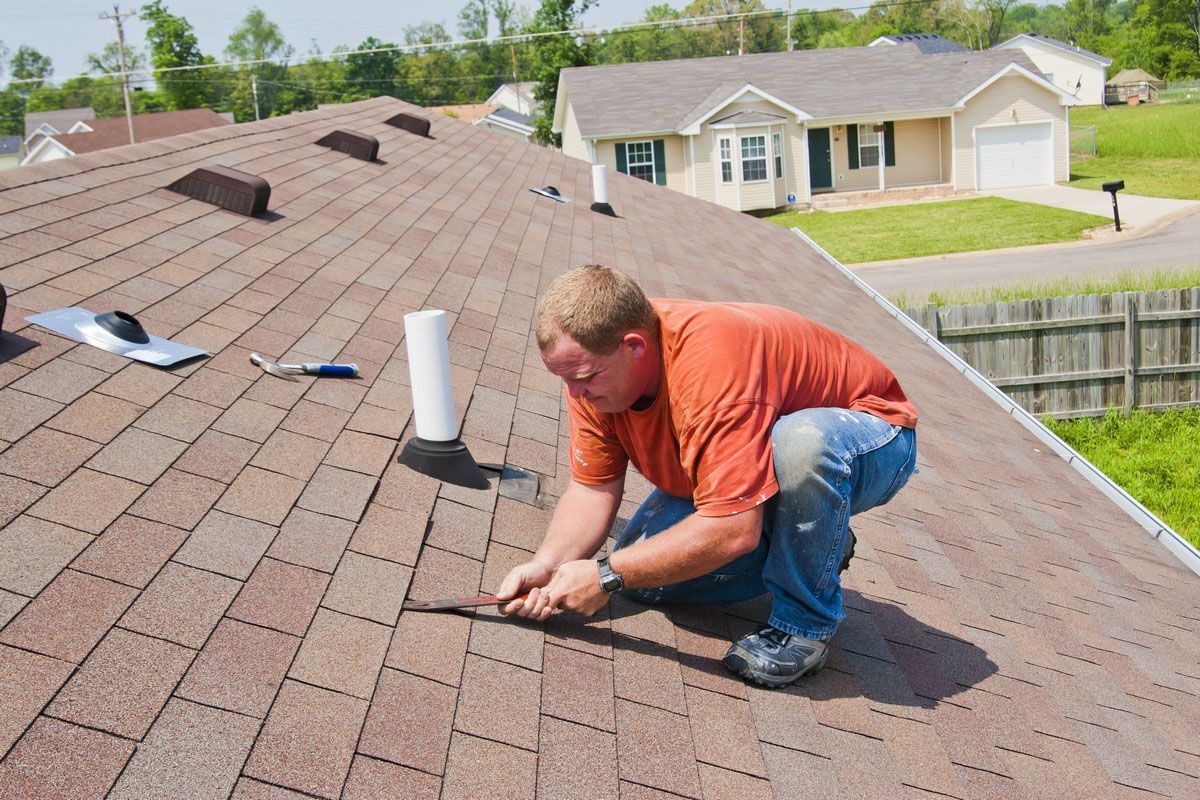
Effective inspections require a combination of proper tools and professional expertise. Homeowners can perform basic visual checks using binoculars or ladders, but comprehensive evaluations often require specialized training and equipment. Professionals are equipped to safely assess hard-to-reach areas and identify hidden vulnerabilities that may not be visible during routine observations.
Inspection professionals often use moisture detection devices, infrared imaging technology, and structural analysis tools to evaluate the condition of a roof thoroughly. These advanced tools allow inspectors to detect trapped moisture, insulation deficiencies, and structural weaknesses without causing unnecessary damage.
Hiring experienced professionals also ensures compliance with safety standards. Climbing and walking on elevated surfaces can be dangerous without proper training and protective equipment. Professionals understand how to navigate these risks while conducting detailed assessments.
In addition to professional evaluations, homeowners can support maintenance efforts by monitoring attic spaces and removing debris from drainage systems. While these tasks do not replace professional inspections, they provide valuable supplemental care that helps maintain optimal performance.
Comparing Costs of Preventive Inspections and Emergency Repairs
Regular inspections often provide significant financial benefits when compared to emergency repair situations. Preventive maintenance typically involves minor adjustments or targeted repairs that cost substantially less than major structural restoration. Early identification of small leaks or material deterioration can prevent extensive water damage that affects ceilings, walls, insulation, and electrical systems.
Emergency repairs often occur when problems remain undetected for extended periods. When moisture infiltrates structural components, it can lead to rot, mold growth, and compromised support systems. Repairing widespread damage typically requires more labor, materials, and time, resulting in higher expenses.
Routine inspections also help homeowners plan for future replacement costs. By monitoring performance trends, inspectors can provide realistic timelines for replacement planning. This allows homeowners to budget gradually instead of facing sudden financial burdens when failures occur unexpectedly.
Insurance considerations also play a role in cost management. Some insurance policies may require proof of routine maintenance before approving claims related to structural damage. Maintaining consistent inspection records helps demonstrate responsible ownership and may support smoother claims processing if damage occurs.
Investing in regular maintenance ultimately reduces long-term costs while preserving structural reliability. Homeowners who prioritize inspections often experience fewer unexpected repairs and enjoy greater financial predictability.
Conducting regular inspections of an aging roof is an invaluable practice for maintaining the integrity and safety of a home. By addressing potential issues early, homeowners can avoid costly repairs, extend the life of their roof, and ensure peace of mind. If you need repairs or a new roof, reach out to the dedicated team at Credible Exteriors & Renovations today!
Share On: