

How Your Roofing Contractor Conducts Repairs After a Storm
Severe storms can leave homeowners dealing with far more than fallen branches and scattered debris. High winds, driving rain, hail, and flying objects can all compromise a roof’s protective barrier, allowing water to infiltrate the home and cause widespread damage. Acting quickly after a storm is critical because even small breaches in shingles or flashing can grow into major structural issues if they are not addressed. This is where a professional roofing contractor plays a central role. From the moment a storm passes to the final inspection of completed repairs, a skilled roofing contractor follows a detailed, methodical process designed to restore both the integrity and safety of your roof.
The importance of this work is underscored by how frequently roof damage appears in insurance filings. According to Johnstone Trial Law, in 2024, roof-related insurance claims made up more than a quarter of the total value of all residential insurance claims nationwide, showing just how often storm damage leads homeowners to seek help. With stakes that high, understanding how repairs are handled can give you peace of mind and help you make informed decisions when the next storm hits.
How Does a Roofing Contractor Assess Damage?
The first step after a storm is a comprehensive inspection. A roofing contractor does not rely on a glance from the ground. Instead, they use a combination of visual checks, hands-on evaluation, and specialized tools to determine the true extent of the damage. This often begins with an exterior walkthrough, where the contractor looks for obvious warning signs such as missing shingles, bent flashing, sagging sections, or debris lodged in the roof.
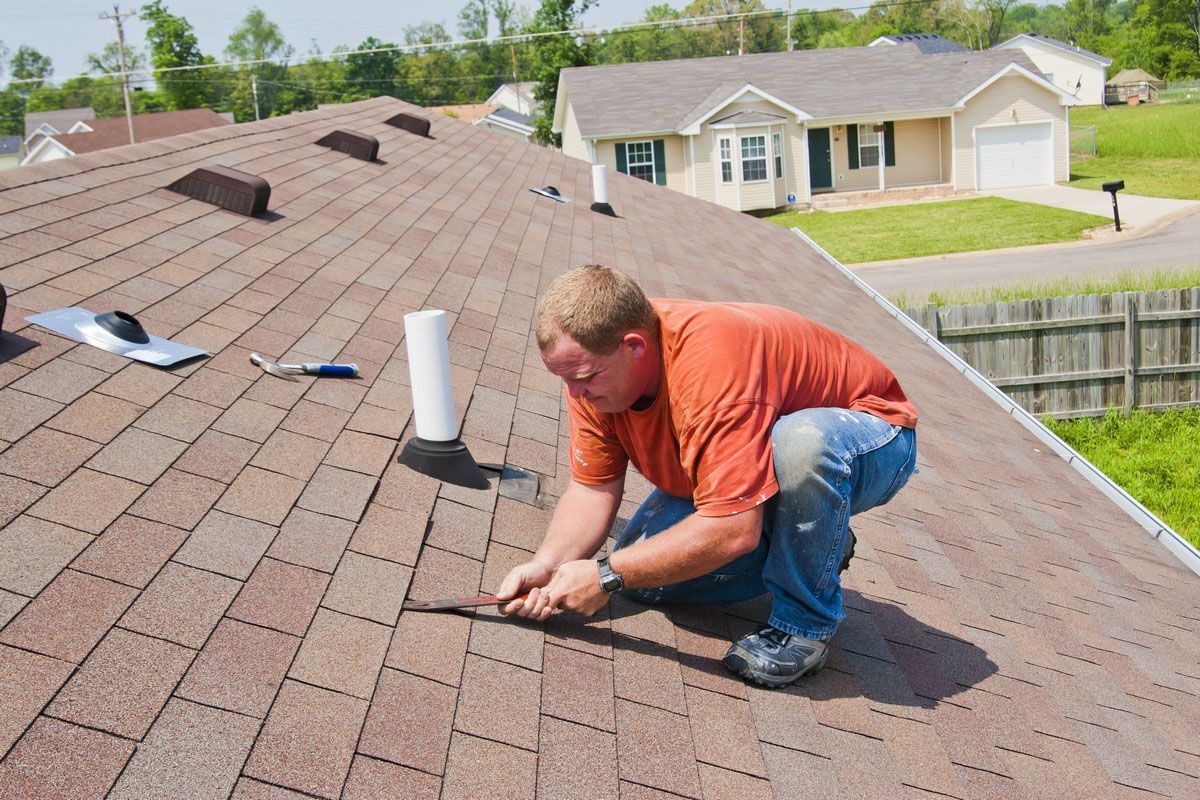
Once it is safe to do so, the roofing contractor typically climbs onto the roof to perform a closer inspection. From this vantage point, they can identify issues that are invisible from below, including hairline cracks in shingles, lifted edges, or punctures caused by hail or wind-blown debris. Many contractors also use moisture meters or infrared cameras to detect trapped water beneath the surface, which is a key indicator of potential leaks.
Interior spaces matter too. An experienced roofing contractor will often check the attic or upper ceilings for damp insulation, stains, or mold growth. These signs reveal how far water has already traveled. By combining all of this information, the contractor creates a clear picture of what needs to be repaired immediately and what may require further monitoring. This thorough assessment ensures that no hidden problems are overlooked, reducing the risk of future failures.
What Are the Common Roofing Materials Used for Repairs?
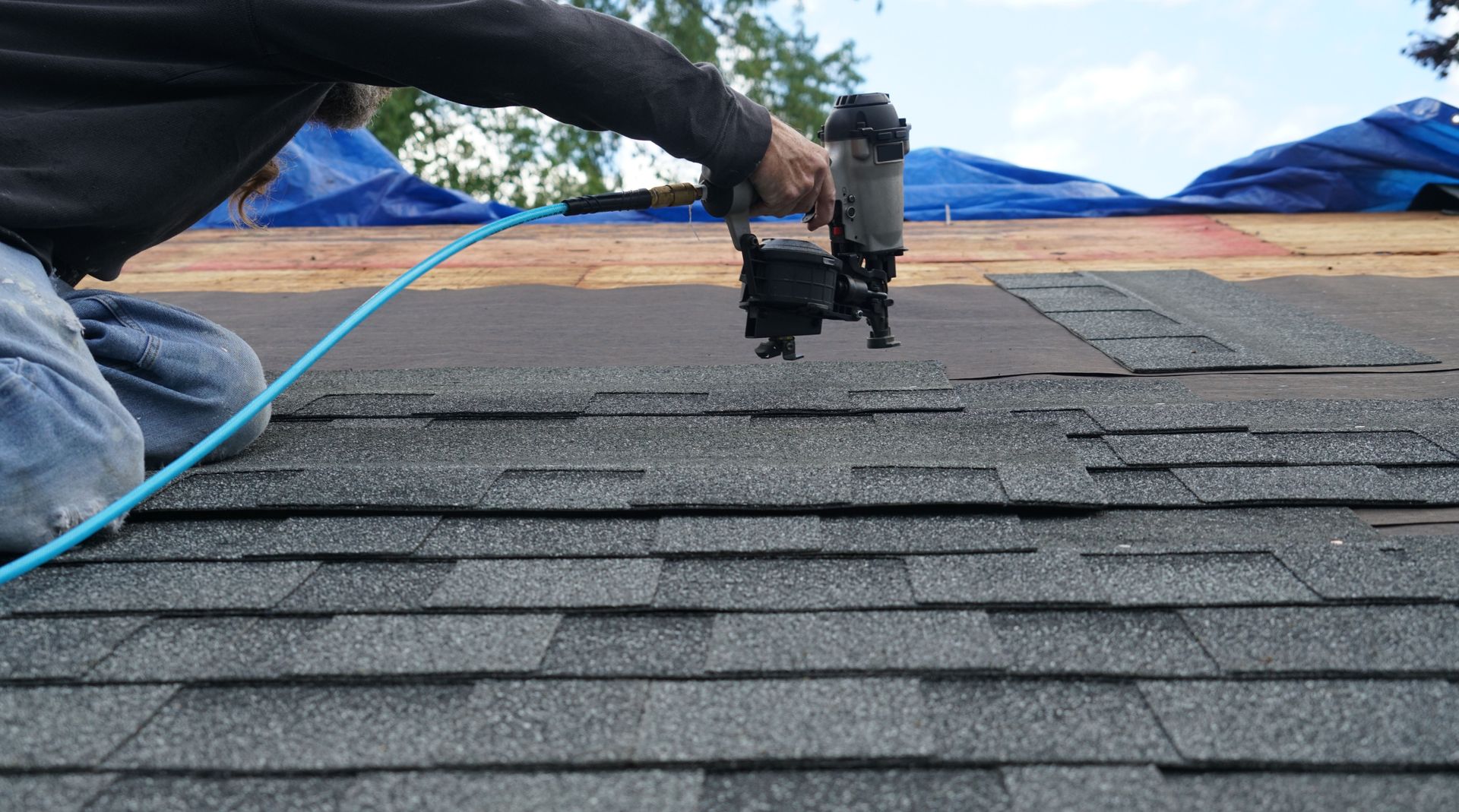
After the damage has been documented, the roofing contractor turns to material selection. The type of roofing material used for repairs depends on the original roof, the severity of the damage, and local climate conditions. Asphalt shingles are among the most common materials, especially on residential homes, because they are cost-effective, durable, and relatively easy to replace. A roofing contractor can remove damaged shingles and seamlessly integrate new ones to match the existing pattern and color.
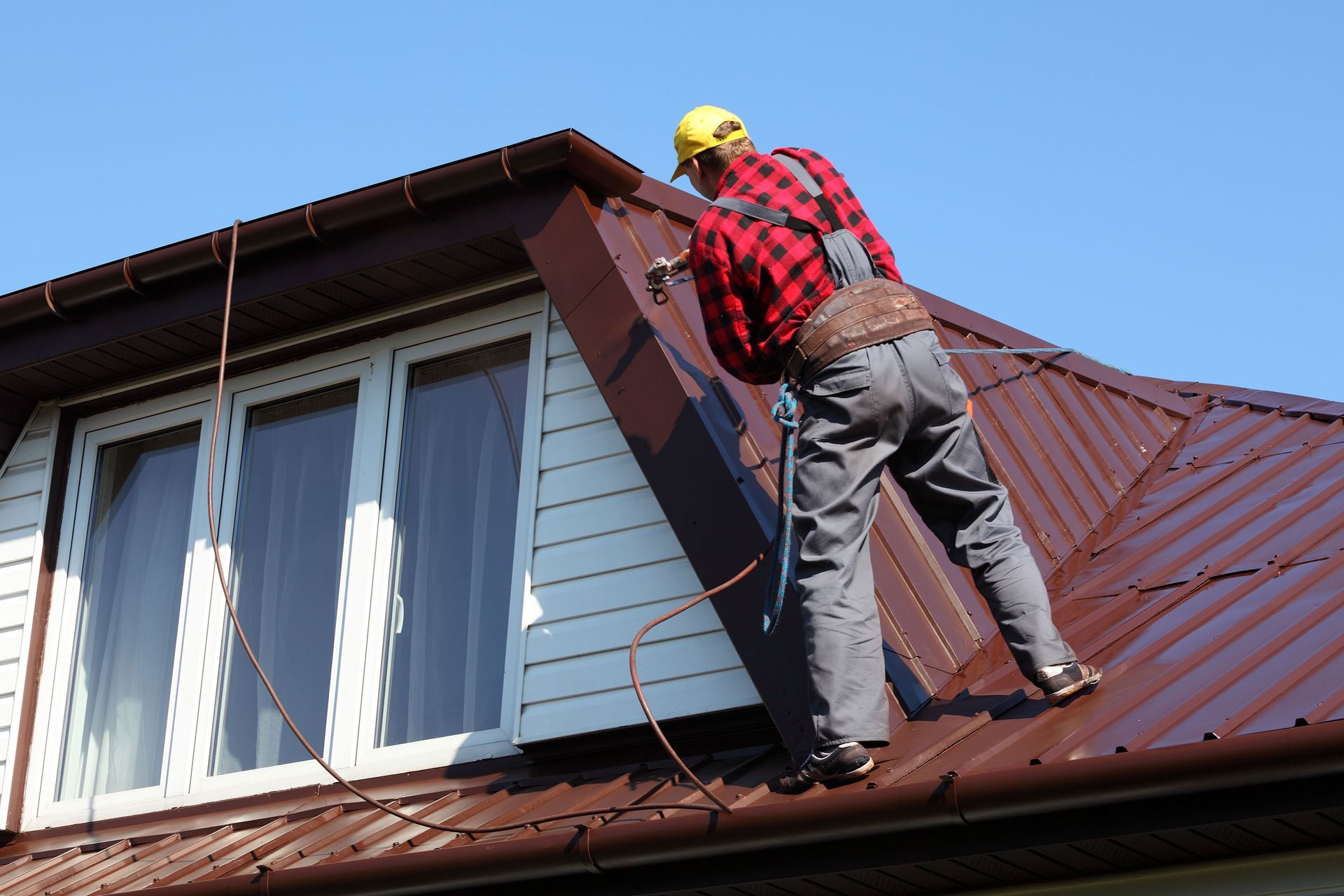
Metal roofing components may be used when the roof includes metal panels, flashing, or trim. These materials are prized for their longevity and resistance to wind and hail, but they must be cut and fitted with precision. A professional roofing contractor has the tools and training to ensure these elements are installed securely, preventing gaps that could let water in.
For homes with tile, slate, or wood shake roofs, the repair process becomes more specialized. These materials require careful handling to avoid cracking or splintering. A knowledgeable roofing contractor knows how to source matching replacements and how to install them in a way that maintains the roof’s original appearance and strength. No matter the material, the goal is always the same: restore the roof’s protective barrier while preserving its overall structure and aesthetic.
How Long Does the Repair Process Take?
The timeline for storm-related roof repairs can vary widely, depending on the scope of the damage and external factors. Minor issues, such as replacing a few missing shingles or sealing small leaks, might be completed in a single day. More extensive damage, including large areas of missing roofing or compromised structural elements, can take several days or even weeks.
A roofing contractor begins by stabilizing the roof to prevent further harm. This might include installing temporary tarps or patches to keep water out until permanent repairs can be made. Once materials are ordered and delivered, the contractor schedules the full repair work. Weather plays a major role here. Rain, high winds, or extreme temperatures can delay progress, as it is unsafe and ineffective to work under those conditions.
The availability of materials and labor also affects timing. After major storms, many homeowners need help at once, which can stretch local resources thin. Even so, a reputable roofing contractor prioritizes emergency situations and keeps homeowners informed about expected timelines. Clear communication ensures that you know what is happening at each stage and when your roof will be fully restored.
What Safety Measures Do Roofing Contractors Take?
Roofing is inherently dangerous, especially after a storm when surfaces may be slippery or unstable. A professional roofing contractor follows strict safety protocols to protect both workers and homeowners. This begins with a careful evaluation of the roof’s condition to identify weak spots, loose materials, or structural hazards.
Workers typically use harnesses, safety ropes, and guardrails when operating on steep or elevated surfaces. Ladders and scaffolding are set up according to industry standards to ensure stability. A roofing contractor also makes sure that tools and materials are secured, preventing them from sliding off the roof and causing injury or property damage.
Protective gear such as helmets, gloves, and non-slip footwear is standard. Beyond physical safety, contractors take steps to safeguard the home itself. Landscaping, siding, and windows may be covered or shielded during repairs to prevent accidental damage. These precautions reflect a commitment to professionalism and ensure that the repair process is as safe and efficient as possible.
What Should Homeowners Expect in Terms of Cost?
The cost of storm damage repairs can range from relatively modest to quite significant, depending on how badly the roof was affected. Minor repairs might only involve a few hundred dollars, while extensive damage requiring partial or full roof replacement can reach into the thousands. A roofing contractor provides a detailed estimate that outlines labor, materials, and any additional services needed.
Insurance often plays a major role in covering these expenses. Because roof damage accounts for such a large share of residential insurance claims, most homeowners’ policies include provisions for storm-related repairs. A roofing contractor frequently works directly with insurance adjusters, supplying documentation, photographs, and reports to support the claim. This collaboration helps ensure that the homeowner receives fair compensation and that repairs meet policy requirements.
It is important to remember that the lowest estimate is not always the best choice. Hiring a qualified roofing contractor means paying for experience, proper materials, and workmanship that will last. Cutting corners can lead to recurring problems and higher costs down the road.
Storms can be unpredictable and destructive, but the process of repairing your roof does not have to be. From the initial inspection to the final cleanup, a professional roofing contractor follows a structured approach designed to restore your home’s first line of defense. By carefully assessing damage, selecting the right materials, adhering to safety standards, and working with insurance providers, a roofing contractor helps protect both your investment and your peace of mind. Given how common and costly roof-related claims have become, partnering with a skilled
roofing contractor after a storm is one of the most important steps you can take to ensure your home remains safe, secure, and ready for whatever weather comes next. If you need a roof, reach out to the professionals at Credible Exteriors & Renovations today!
Share On: